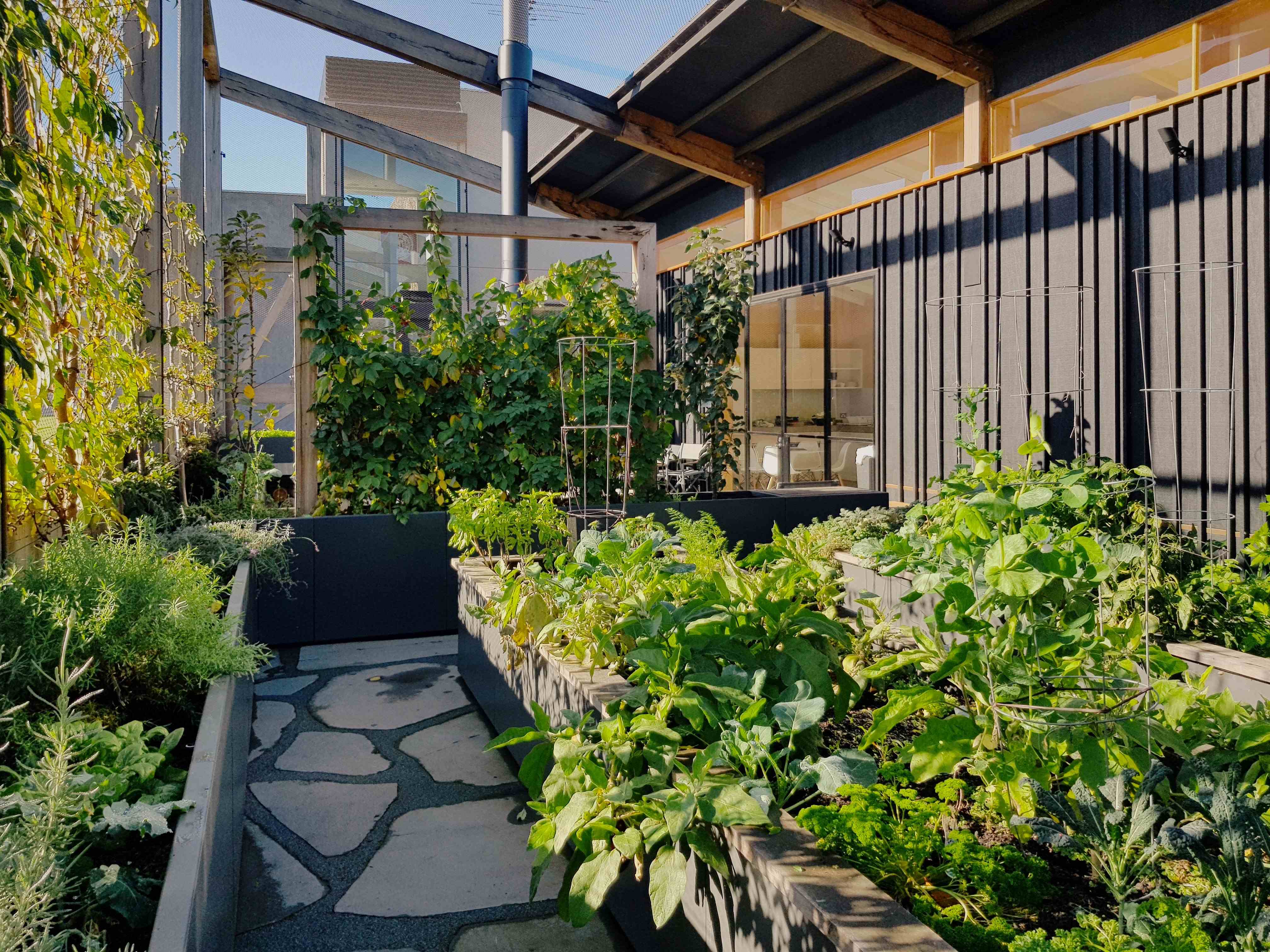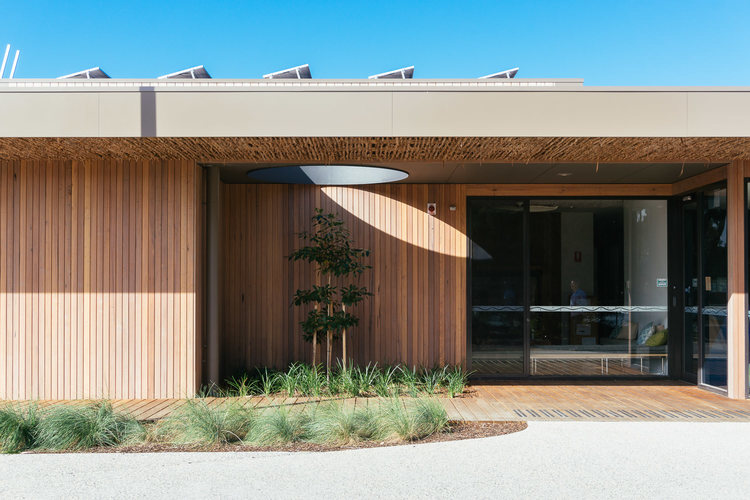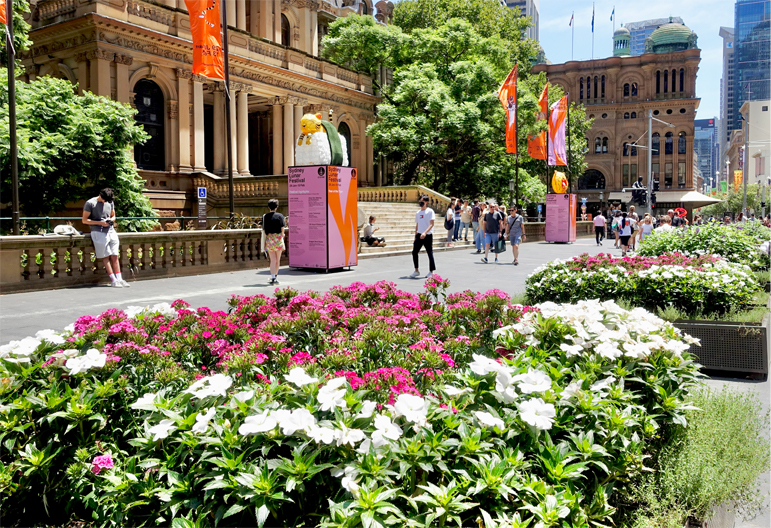
Our landscape design team consists of landscape architects, horticulturists, landscape designers, architects and strategic thinkers who are dedicated to mixing art with nature, design and technology. This team supports the creative process via taking part in the design and documentation process.
We pride ourselves on developing strong. long-term partnerships with our Clients and related professionals, which ensures Botanical Traditions creates beautiful, functional landscapes, which serve as an asset for our Clients and those who use the spaces.
Ruth Czermak is the Founder, Principal Landscape Architect and Horticulturist of Botanical Traditions. She has also tutored at University of Melbourne for the Landscape Architecture department and is a guest speaker at many different community events.
Click to See More |
|

Botanical Traditions is a multi-award-winning design studio based in Melbourne and operating throughout Victoria, Canberra, and Southern NSW. Since its establishment in the mid 1990’s we have worked and developed strong ties within the Nursery industry and broader design industry.
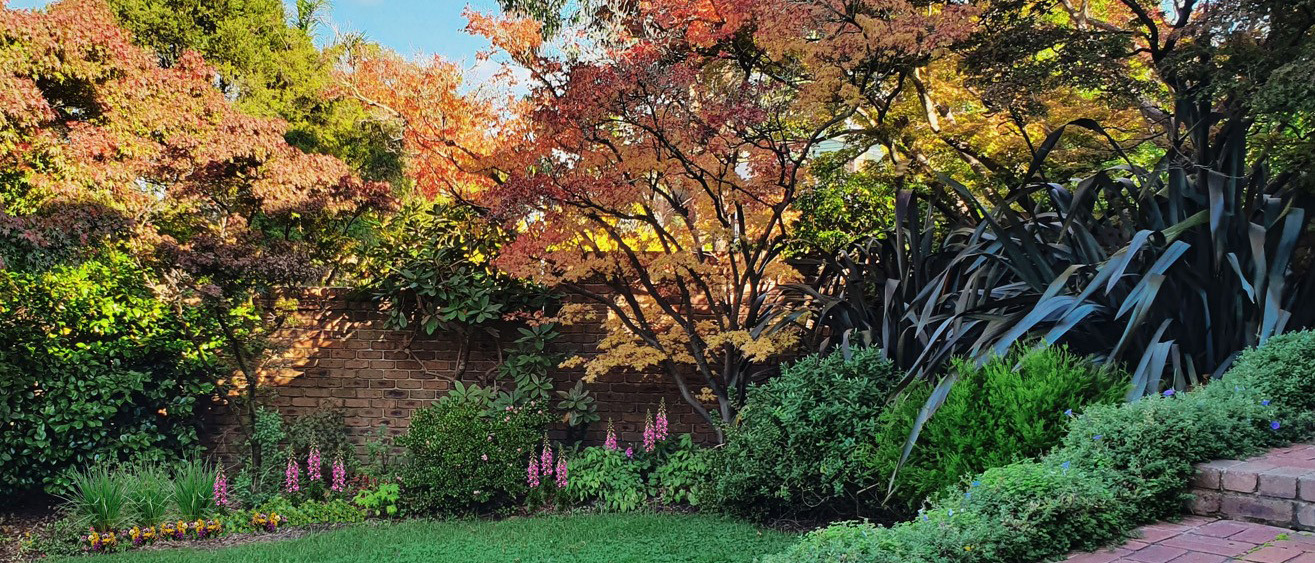
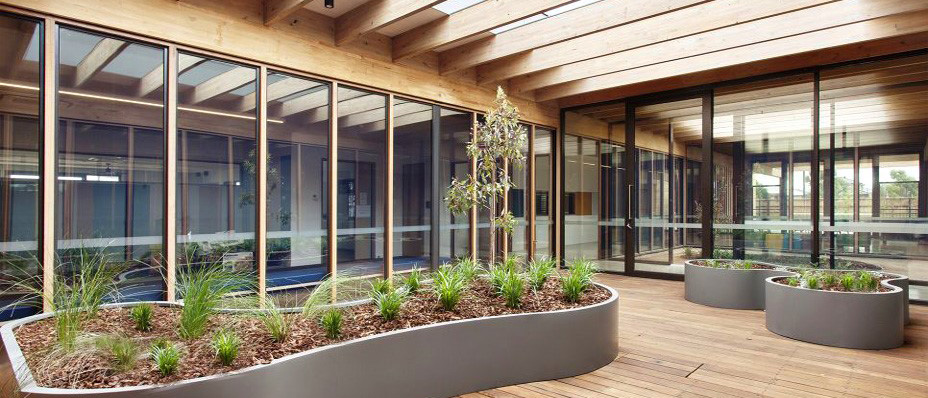
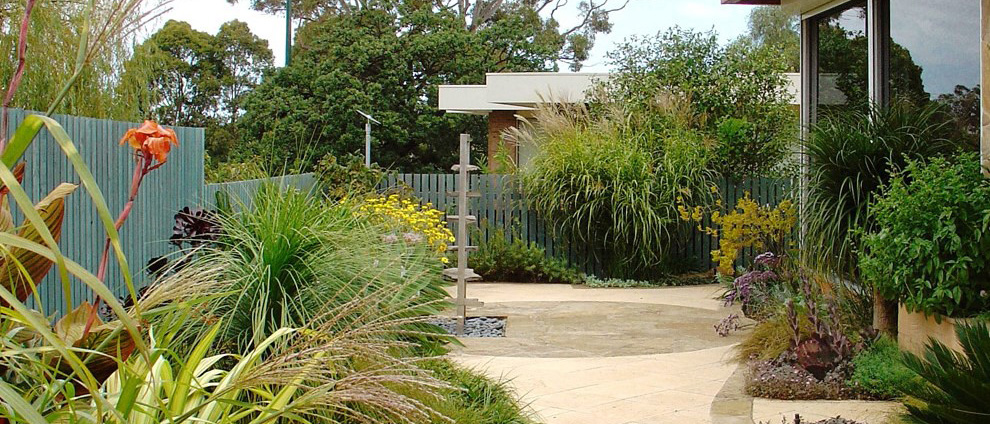
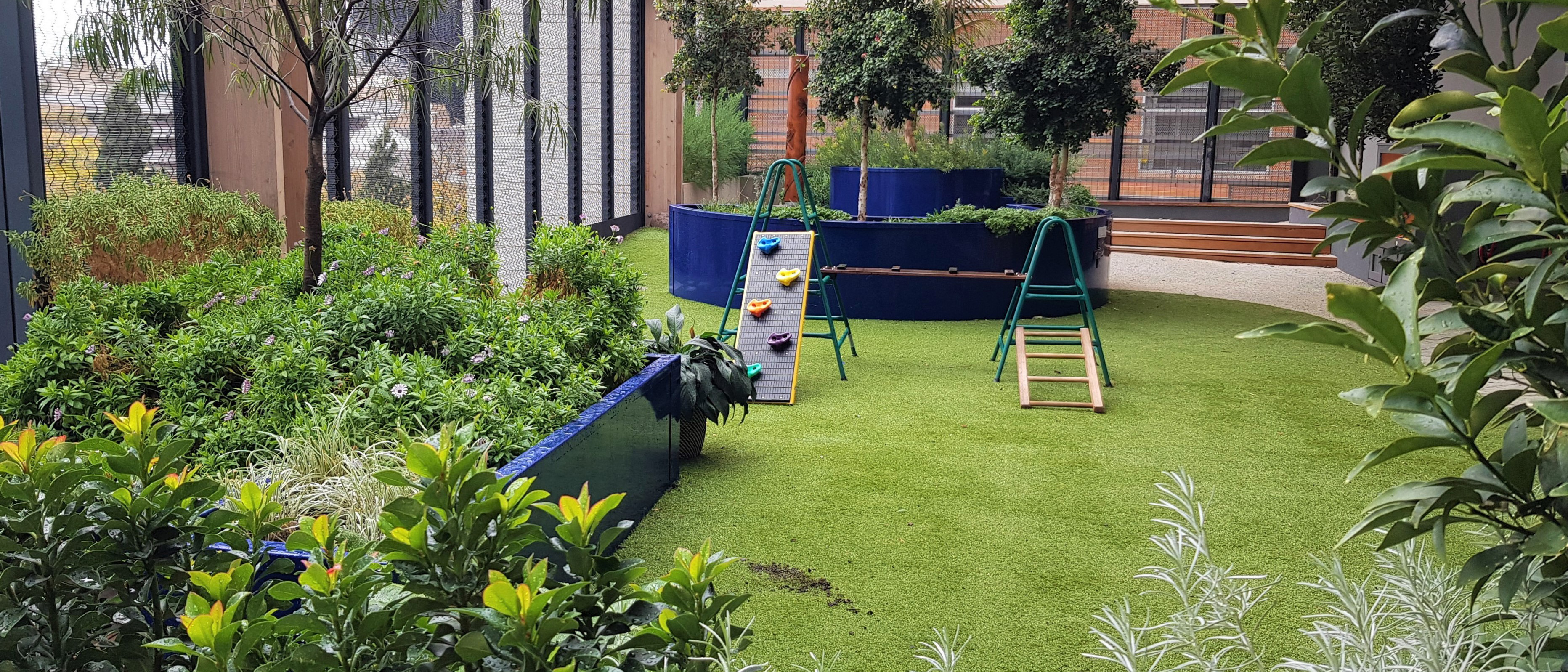
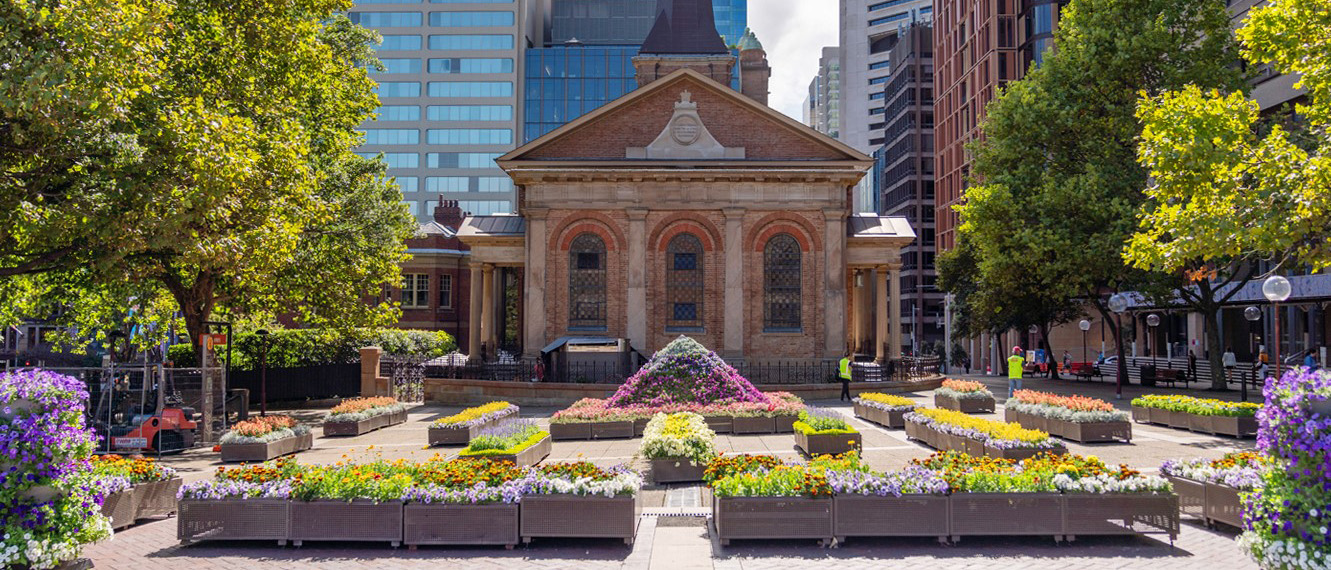
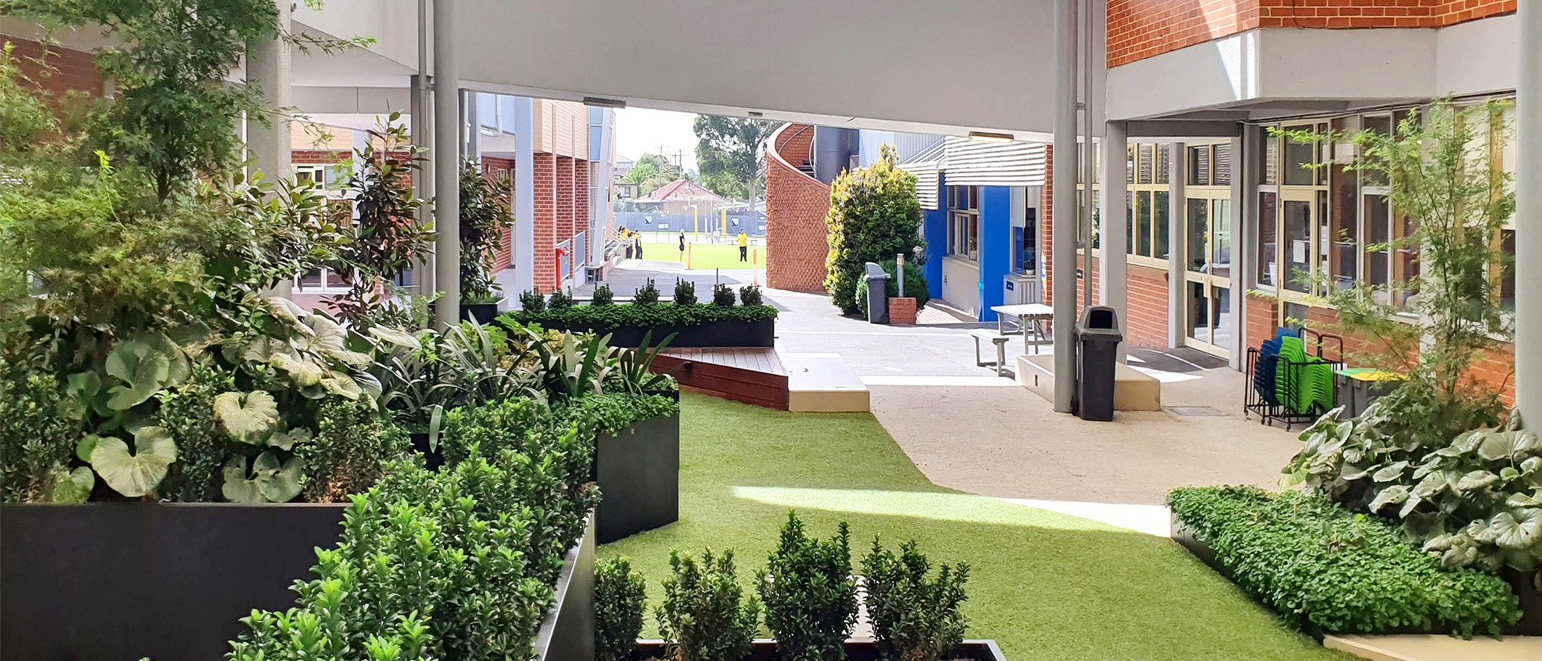
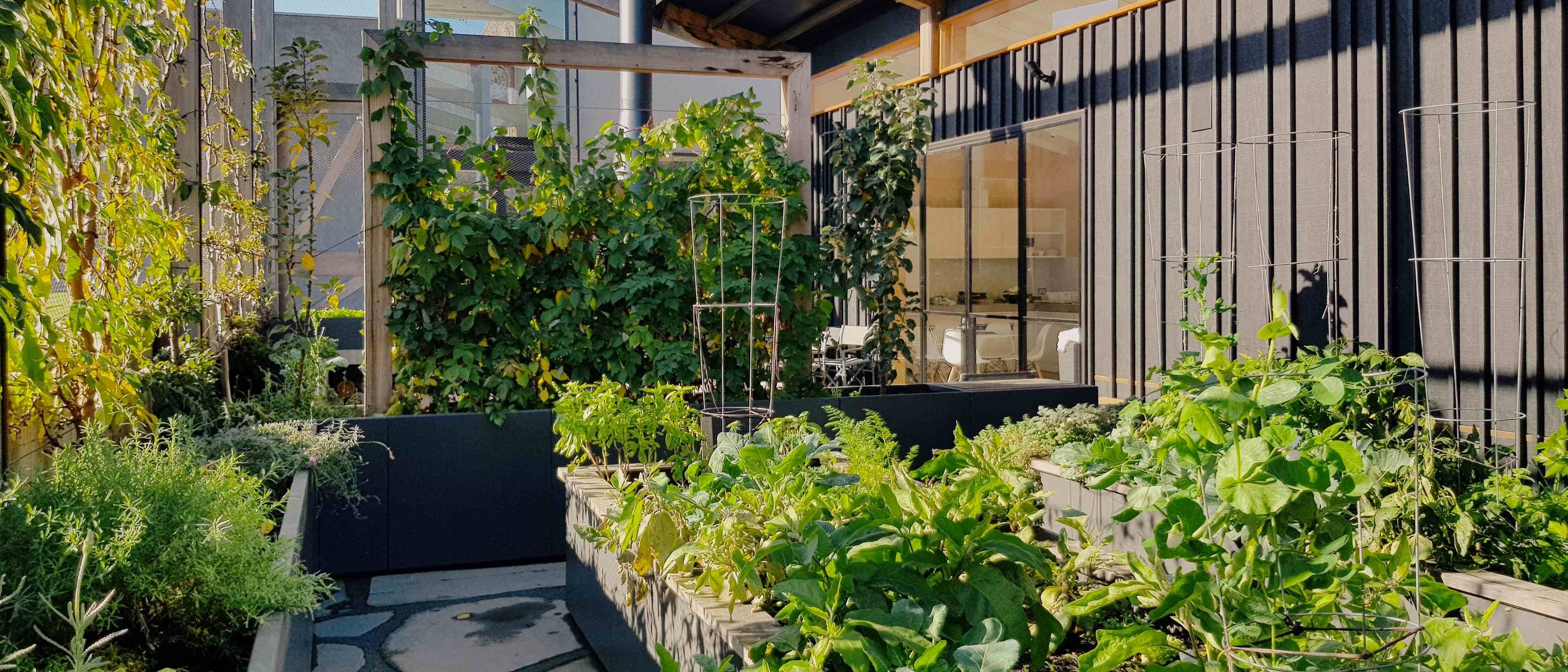
From small inner-city gardens to large country estates and commercial projects, we have built a reputation on our ability to work with clients to create exclusive landscapes ultimately reflecting the individual tastes, lifestyles and needs of our clients. As a result, our gardens are as varied as our clients.
Our landscape designs have been featured in a number of Television shows such as the Garden Gurus, publications including ‘Outdoor Design and Living’, and Ruth Czermak has written articles on water sustainability issues for 'Backyard Design Ideas' and 'Landscape Outlook'.
We introduced 3D draughting into our firm around 3 years ago and we find that most Clients utilise this service now. We have recently started to introduce BIM into our workflow. For a breif summary of the services we offer click here. |
.jpg)
.jpg)